A Local Guide to UK Stationery Shopping: Independent Shops, Markets and Online Retailers
October 09, 2026 - Stationery
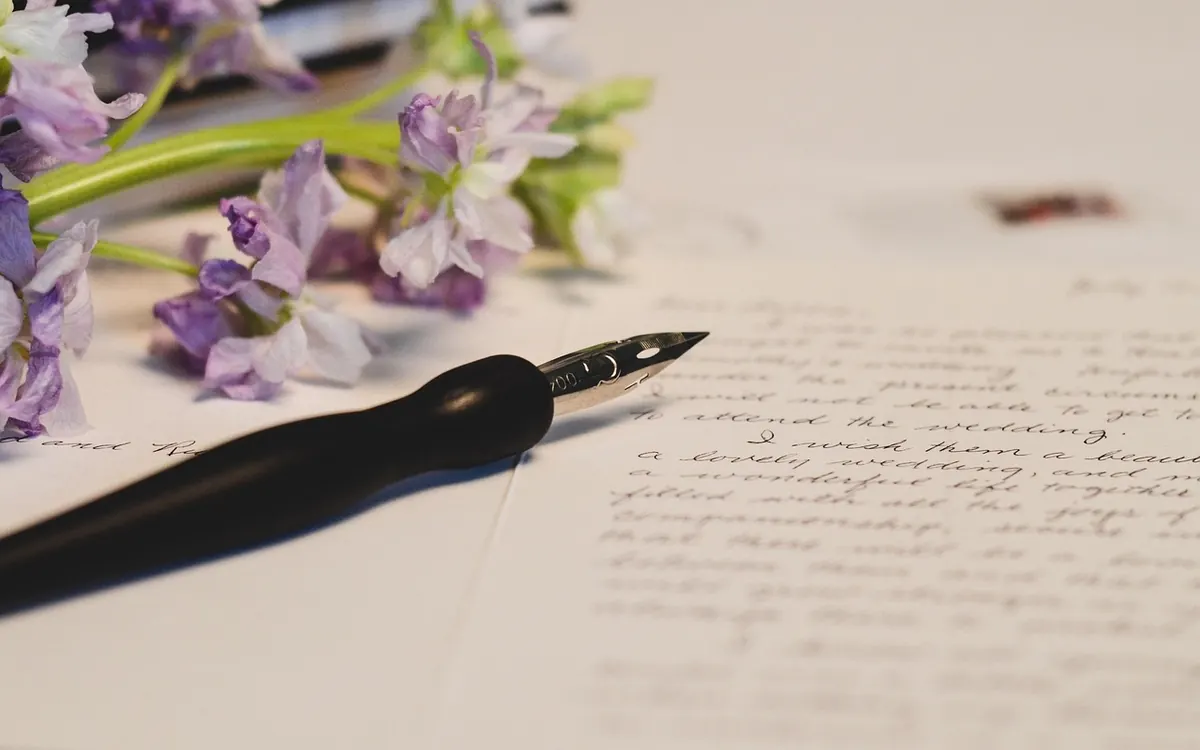
A fountain pen rewards patience and punishes bad habits — usually with nothing worse than a scratchy line, a hard start and inky fingers. Most of the trouble beginners hit comes from a handful of small, fixable mistakes rather than a faulty pen. Here are the ten that turn up most often, grouped by the problems they cause.
A fountain pen writes under its own weight. Ink travels down the feed by capillary action and the tipping material on the nib simply glides across the page. Push down and you splay the tines, lifting them off the feed and actually reducing flow. The nib feels scratchy, the line goes patchy, and over time you can spring the nib out of shape.
Grip matters just as much. New users often hold a pen in a death grip, which makes the nib harder to control and your hand ache within a page. Move your fingers back so the pen rests against the first knuckle, relax, and let the barrel lie back at around 45 degrees. If the line looks faint, the answer is ink flow, not force. Practise loops and figure eights on scrap paper until light pressure feels normal.
This is the mistake most likely to end in a ruined pen. India ink, drawing ink, calligraphy ink and acrylic inks contain shellac, gum or heavy pigments that set solid inside the feed. Once that happens, no amount of soaking will reliably bring the pen back. The rule is simple: only use ink sold as fountain pen ink.
Two related habits cause grief as well. The first is mixing inks from different brands in the same pen without flushing in between, because the ingredients can react and produce sludge or clumps. The second is leaving a pigment, shimmer or iron gall ink sitting in an unused pen for weeks. These inks are perfectly usable, but they need more frequent flushing than a standard dye-based ink. If a pen is going to sit idle, empty and clean it first.
New pens often arrive with traces of machining oil and factory test ink in the feed, which is why a brand-new pen can skip or write dry straight out of the box. Give it a flush before the first fill, and repeat whenever you change ink colour or after a few months of steady use.
Hot water is the enemy here. Lukewarm is plenty, and boiling water can warp a plastic section or soften the adhesive holding a nib unit together.
Ink is a liquid, and it moves. A pen left nib-down for months, or rattled around in a bag in a warm car, will leak into the cap or dry out completely. A few simple habits prevent almost all of it:
Fountain pens dry out quickly. Leave one uncapped while you answer the phone and you may come back to a hard start and a nib that needs a wipe. Cap it whenever you stop writing, even for a minute.
After drawing ink up through the nib, expel two or three drops back into the bottle and draw air back in. That clears the feed and stops the pen burping a blob of ink onto the page later. Wipe the nib and section with a soft cloth, not just the tines. Screw caps need firmness rather than muscle, because over-tightening can crack a cap lip or a barrel thread. Post the cap gently as well; plenty of pens are not designed to be posted, and forcing one on can scratch the barrel or loosen the cap over time.
Paper matters more than most beginners expect. Ordinary 80gsm copier paper is thin and absorbent, so ink feathers along the fibres, bleeds through, and makes a fine nib feel like a needle. Try a heavier paper, or a notebook made with fountain pens in mind, and the same pen will often feel transformed.
Angle and rotation come next. Keep the nib flat on the page so both tines touch the paper together; roll the pen slightly and one tine lifts, which produces skipping and a scratchy edge. Left-handers have it harder because they push rather than pull the nib, so a fine nib and a quick-drying ink usually suit better.
Whatever you do, resist the urge to smooth a nib with sandpaper, emery boards or pliers. If a nib genuinely needs adjustment, return it or send it to someone who repairs nibs for a living.
Keep things simple for the first few months: one pen, one bottle of ink, one notebook. Write with a light hand, cap the pen whenever you pause, and flush it when you change ink. If something feels wrong, reach for fresh ink and better paper before you blame the nib, and check that the pen is properly filled and the feed is wet.
None of these habits take long to build, and once they are in place, fountain pens stop being fussy objects that misbehave and become what they were always meant to be: quiet, reliable and a genuine pleasure to write with.
Photo: hudsoncrafted / Pixabay
Where to find good stationery in the UK, from independent shops and market stalls to specialist online retailers,...

A practical guide to starting letter writing: choosing simple stationery, finding a reliable pen pal, writing a...
Copyright © 2026 Inkwell Lab. All Right Reserved.