A Local Guide to UK Stationery Shopping: Independent Shops, Markets and Online Retailers
October 09, 2026 - Stationery
There is a particular pleasure in walking into a shop where the person behind the counter can tell you, without hesitating, which notebooks take fountain pen ink without bleeding through, or which sharpener will survive a year in a school bag. The UK still has plenty of those places — tucked behind high streets, in market halls, and behind well-run websites. Finding them takes a bit of local knowledge, which is what follows.
A chain shop sells you a product. A good stationer sells you the right product. That difference matters most when you are spending real money: a fountain pen that needs a finer nib, a notebook you intend to fill over six months, a pad that has to survive a brush pen.
Independent shops tend to keep refills for the pens they sell, stock loose paper in single sheets or small packs, and will let you test a nib on the paper you are actually buying. Staff knowledge is the other draw. Ask for something obscure and you will usually get a straight answer — including "we don't have that, but try so-and-so" — which is worth more than a vague promise and a long wait.
Some specialise in Japanese paper and notebooks, some in fountain pens and ink, some in letter-writing and correspondence. Papersmiths, which began in Bristol, Choosing Keeping on Columbia Road in London, Write Here in Shrewsbury and Cult Pens in Devon all serve slightly different customers, but each exists because someone cared about the category. Small shops often run on limited staff, so check opening hours before a long journey.
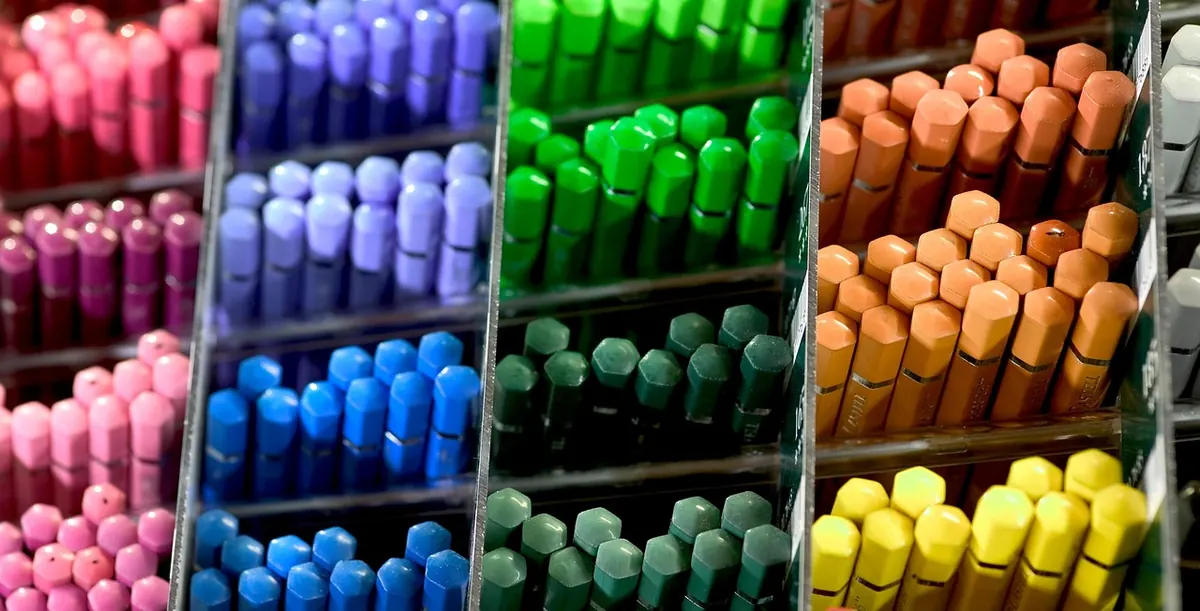
Fred Aldous in Manchester and London Graphic Centre in Covent Garden stock a wider range of pencils, markers and paper weights than most stationers, and their staff often draw or paint themselves. Worth the trip if you want drawing paper, brush pens, or a proper range of graphite grades rather than a token handful of HB pencils.
Quietly, these hold some of the best notebook selections in the country, often with unusual sizes and cover finishes you will not find on a high street. University stationery shops near term time are also good for cheap bulk paper, though the quality varies wildly.
Portobello Road, Spitalfields, Camden Passage and the smaller weekend markets in most cities still turn up vintage fountain pens, letterpress type, old ledger books and unused stationery from decades past. Book and ephemera fairs, usually advertised locally or in collecting magazines, are better still: sellers arrive knowing their stock and will talk you through it. Car boot sales and charity shops are the cheapest option, if the least predictable.
What to check before you hand over money:
Most of us buy most of our stationery online, and the specialist independent retailers are genuinely good at it — better stocked than any single shop, and often willing to answer questions by email. The trick is knowing what to check first.
Most stationery disappointment comes down to paper. Standard 80gsm copier paper will bleed and feather under a fountain pen; a smooth 90–100gsm stock handles most gel pens, fountain pens and fineliners comfortably, while heavier papers of 120gsm and above suit brush pens and wet media. If you keep a journal, check whether the binding is sewn or glued — sewn signatures lie flatter and last longer, which matters if you write near the spine.
Ruling is the other quiet dealbreaker. Five millimetre grids suit small handwriting and to-do lists; seven millimetres is easier for larger script. Before buying a pen, check which cartridges or converters it takes, because proprietary formats are common and a pen with no refill supply is an ornament.
You do not need a grand tour. A short, deliberate trip beats a scattergun one.
Local stationery survives on small, regular purchases rather than occasional large ones, and the shops that remain are the ones worth keeping. Buy something modest, ask a question while you are there, and you will find the next visit easier — and considerably more enjoyable.
Photo: PIRO4D / Pixabay

A practical guide to starting letter writing: choosing simple stationery, finding a reliable pen pal, writing a...
Simple drills, better posture and the right pen can make everyday handwriting clearer and easier — without...
Copyright © 2026 Inkwell Lab. All Right Reserved.