A Local Guide to UK Stationery Shopping: Independent Shops, Markets and Online Retailers
October 09, 2026 - Stationery
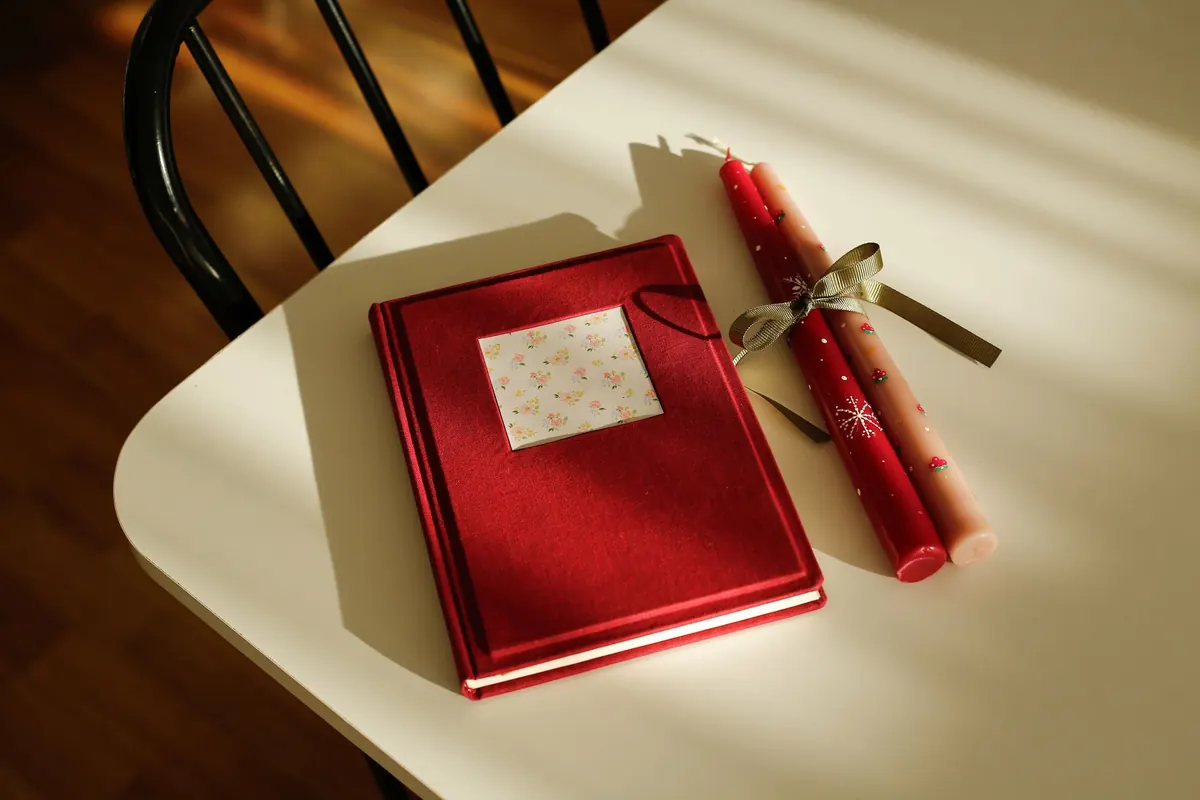
A journal kept across a full year records more than events. It catches the way light changes in late September, the week you first needed gloves, the evening in May when the kitchen door stayed open until nine. Having seasonal prompts to hand gives the blank page a starting point when nothing dramatic has happened — which, most weeks, is the case.
The four sets below follow the UK calendar closely enough to be useful: autumn from the first cold mornings, winter through the short days, spring as the clocks move forward, summer towards the longest evenings. Start wherever you are in the year. Nothing here needs to be done in order.
Dates and weather give structure without demanding a theme. A prompt tied to the season is easy to answer because the evidence is right outside the window. You are not asked to invent a feeling; you are asked to notice, then say what you make of it.
There is a practical benefit, too. A notebook that follows the year shows patterns when you read it back — the weeks you always feel flat, the months you get most done. That is hard to spot in a journal that jumps about.
Autumn arrives in stages: the first misted windscreen, then the smell of damp leaves, then the clocks going back and darkness landing before the tea is made. Note those markers as they come.
Layout idea: rule a narrow column down the outer edge of each page and use it as a weather margin. Temperature, sunrise time, one word for the sky. Two months of that column becomes a record you can read at a glance.
Winter entries tend to be shorter and closer to home, and that suits the season. Write about the indoors, the routine, the short walk you take to get some air. Detail does the work here, not drama.
Layout idea: work across a two-page spread. The left page takes the day's entry; the right becomes a slow page — a receipt, a recipe, a pressed leaf, a photograph, a line copied from a book. Alternatively, draw a grid of twenty-five squares and colour one in for each day you write.
If the short days flatten your mood more than you expected, and it carries on, speak to your GP. A journal works well alongside proper support; it is not a substitute for it.
Spring is busy and easy to miss. The clocks go forward, there is light after dinner, and the to-do list grows along with the garden. Write quickly, in short entries, and let the notebook get messy.
Layout idea: tape a seed packet or a ticket to the top corner of the page. It takes seconds and dates the entry better than a heading does.
Summer entries are often brief because nobody wants to sit indoors. Take the notebook outside instead — a bench, a step, the park — and write standing up if that is what it takes.
Layout idea: keep a page at the back as an index — blackberries, page 14; the heatwave, page 22; the fox, page 31. Come December, you will be glad of it.
Whatever prompts you use, one page can run all year. Choose a view you pass often — a particular tree, a window, the end of your street — and describe or sketch it every few weeks. Twelve entries on one page gives you a record of the year that no prompt can manufacture.
Consistency matters more than length. Ten minutes with a cup of tea beats an ambitious hour you never repeat. Three sentences count as an entry. If you miss a fortnight, do not backfill it — write about today and note that the gap happened.
Leave the notebook where you will see it: on the arm of a chair, beside the kettle, in the bag you take to work. Keep a pen attached to it, or you will spend more time hunting for one than writing. If you are stuck, copy a line from whatever you are reading and answer it on the page.
The point is not a beautiful object. It is a record that will make sense to you later, in a different season, when you have forgotten how the light felt.
Photo: betül nur akyürek / Pexels
Where to find good stationery in the UK, from independent shops and market stalls to specialist online retailers,...

A practical guide to starting letter writing: choosing simple stationery, finding a reliable pen pal, writing a...
Copyright © 2026 Inkwell Lab. All Right Reserved.